
If you’re a small business owner, freelancer, or entrepreneur, you’ve likely heard of QuickBooks. But what is QuickBooks used for exactly? QuickBooks is one of the most popular accounting software solutions designed to simplify financial management for businesses of all sizes. In this article, we’ll explore 7 key uses of QuickBooks that demonstrate why it has become an essential tool for managing business finances efficiently.
What Is QuickBooks Used For? An Overview
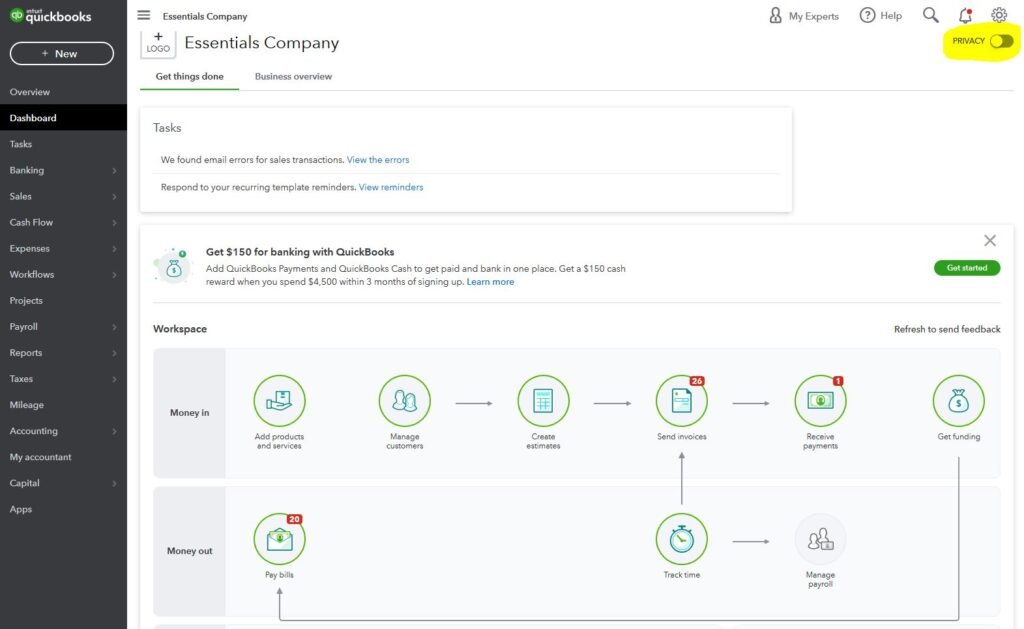
QuickBooks helps businesses manage their accounting tasks by automating processes that otherwise require manual effort. This software is designed to handle everything from bookkeeping and invoicing to payroll and tax preparation. Understanding the core uses of QuickBooks can help you decide if it’s the right tool for your business.
1. Bookkeeping and Expense Tracking
One of the primary things QuickBooks is used for is tracking all your business expenses and income in one centralized place. It automatically categorizes transactions, allowing you to monitor cash flow and understand where your money is going. This simplifies bookkeeping and reduces the chance of errors that can occur with manual record-keeping.
2. Creating and Sending Invoices
QuickBooks makes it easy to create professional invoices and send them directly to clients. This feature helps streamline billing, ensuring timely payments and improving your business’s cash flow. You can also customize invoices with your company logo and payment terms.
If you want a detailed guide on invoicing, check out our post on how to create an invoice in QuickBooks.
3. Managing Payroll
Handling payroll can be complex and time-consuming. QuickBooks automates payroll processing by calculating employee wages, withholding taxes, and generating paychecks. It also helps with filing payroll taxes, making sure your business stays compliant with government regulations.
4. Tracking Sales and Taxes
For many businesses, managing sales tax obligations is challenging. QuickBooks tracks your sales, calculates taxes owed, and helps you prepare for tax filing. This feature reduces the risk of errors and penalties while saving time during tax season.
5. Generating Financial Reports
QuickBooks offers a wide range of customizable reports such as profit and loss statements, balance sheets, and cash flow reports. These reports provide valuable insights into your business’s financial health, helping you make informed decisions.
To learn more about accounting best practices, you can visit the IRS Small Business and Self-Employed Tax Center.
6. Integrating with Other Business Tools
QuickBooks supports integration with many third-party apps, including payment processors, CRM systems, and e-commerce platforms. This connectivity allows you to streamline workflows and maintain consistent financial data across your business tools.
7. Budgeting and Forecasting
Another important use of QuickBooks is budgeting and forecasting. You can set budgets for different expense categories, track performance against those budgets, and adjust your financial plans as needed. This capability helps businesses stay on track financially and prepare for future growth.
Why Understanding What QuickBooks Is Used For Matters
Knowing what QuickBooks is used for can help small business owners select the right features for their specific needs and maximize the software’s value. Whether you are just starting or looking to optimize your current financial management, QuickBooks offers tools that simplify many complex accounting tasks.
If you want to get started with QuickBooks or enhance your skills, check out our comprehensive guide on how to use QuickBooks for small business accounting.
Final Thoughts
QuickBooks is a versatile accounting tool widely used by small businesses to streamline bookkeeping, invoicing, payroll, tax tracking, and financial reporting. Understanding what QuickBooks is used for enables you to leverage its features effectively, save time, reduce errors, and focus more on growing your business.
With so many tools integrated into one platform, QuickBooks continues to be a trusted choice for entrepreneurs seeking better control over their finances. Consider exploring its features to discover how it can transform your business accounting practices.
Written by the SavvyTechPreneur Team — freelancers and small business owners sharing practical finance knowledge to support the business community.